What Does It Mean to “Quench Not the Spirit”?
Quench not the Spirit (1 Thessalonians 5:19 KJV)
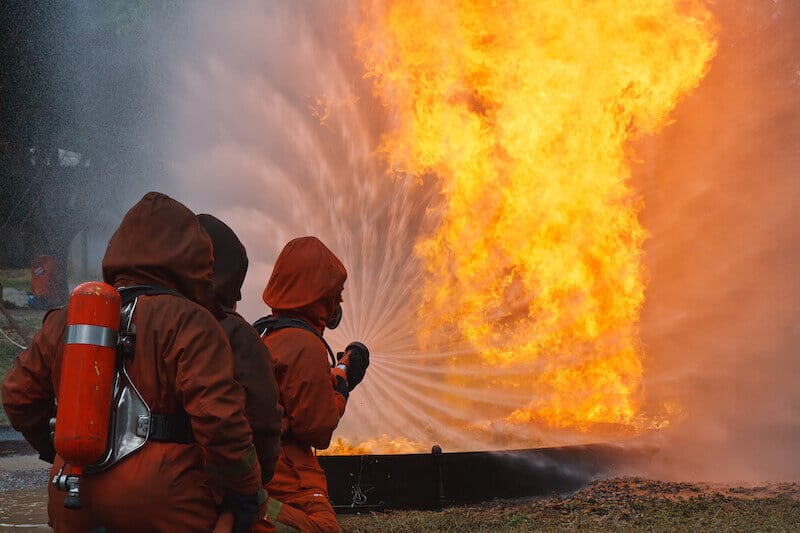
We should not quench the Spirit in our lives
The Apostle Paul’s directive to the Thessalonian Christians, “Do not quench the Spirit,” carries serious implications. Recognizing the weight of this command is vital. It suggests that we can quench the Holy Spirit’s workings. Therefore, understanding this phrase is crucial to preventing its improper application.
“Quenching the Spirit” refers to suppressing the Holy Spirit’s operations in our lives, churches, or Christian communities. Notably, Paul directed this message to Christians, underscoring that even God’s own children can potentially quench His Spirit. However, it’s crucial to clarify that quenching the Spirit, as used in this verse, does not equate to losing our salvation.
The term “quench” often denotes extinguishing a fire or flame. Paul employs it metaphorically in this passage, likening the Spirit’s operations to fire, one of its symbols. Hence, we quench the Spirit’s fire when we obstruct, hinder, or discourage His workings.
Context also sheds light on Paul’s meaning. He urges, “Do not despise prophecies.” (1 Thessalonians. 5:20 KJV). Therefore, quenching the Spirit can occur when we suppress His gifts, like prophecy. Similarly, Paul instructed the Corinthians not to “forbid speaking in tongues” (1 Corinthians 14:39).
Attempts to suppress the Spirit’s gifts count as quenching, as do actions that grieve Him. Indulging in anger, clamor, bitterness, or slander—essentially obstructing the fruit of the Spirit (Ephesians 4:31)—hinders the Spirit’s influence in our lives. If individuals, church leaders, or Christian communities suppress or discourage the Spirit’s operations, whether individually or cooperatively, they are quenching His fire. They act as spiritual firefighters extinguishing God’s fire. Therefore, let’s fan the flame, not quench, the Spirit’s fire in our lives.
Meditate
How does 1 Thessalonians 5:19 apply to you?
Apply the Word
Remember, the Spirit’s fire—communion, fruits, and gifts—should always burn and never be extinguished (Leviticus 6:13). Don’t let anything or anyone quench your fire, and avoid unintentionally extinguishing the fire in others.
Pray
Ask for the Father’s guidance to encourage, not quench, His Spirit’s operations in your life.
Recommended
Holy Spirit
Learn what Scripture means by God's voice, why it is not only an audible sound, and how to hear Him in the Bible for yourself.
Holy Spirit
Discover how the Holy Spirit gives life to Bible study, opens spiritual understanding, and makes Jesus real through the living Word of God.

Holy Spirit

Join the conversation
Comments
No comments have been published yet.
Leave a comment
Share a thoughtful response. Comments are reviewed before they appear publicly.